Layered Jewelry Isn't New — It's Ancient
Layered necklaces and stacked rings feel like a distinctly modern Instagram trend. In reality, people have been piling on jewelry for thousands of years — we've just rediscovered it.
Ancient Excess, On Purpose
In ancient Egypt, wealthier citizens wore multiple necklaces, collars, and bracelets simultaneously — not out of indecision, but because more gold visibly meant more wealth and status. Layering wasn't an aesthetic choice so much as a direct display of what you could afford, stacked openly for everyone to see.
Mesopotamian and Sumerian jewelry followed a similar logic. Excavations from the Royal Tombs of Ur show individuals buried with multiple necklaces, several rings per hand, and layered headdresses — an entire collection worn at once rather than saved for special pieces.
Rome and Byzantium Refined the Look
By the Roman and Byzantine periods, layering had shifted from purely showing wealth to composing a look — mixing chain lengths, textures, and pendant sizes deliberately, the same visual logic behind a modern layered necklace stack. Byzantine jewelry in particular combined multiple gold chains of varying lengths with pendants and coins, creating exactly the graduated, tiered effect people aim for today.
Same Idea, New Word
What's changed isn't the concept — it's the vocabulary. What was once simply "wearing your jewelry" became "layering" as a named styling technique sometime in the last few decades, once minimalism made wearing one piece at a time the default. The stacked look isn't new; it's the baseline default returning.
Building Your Own Stack
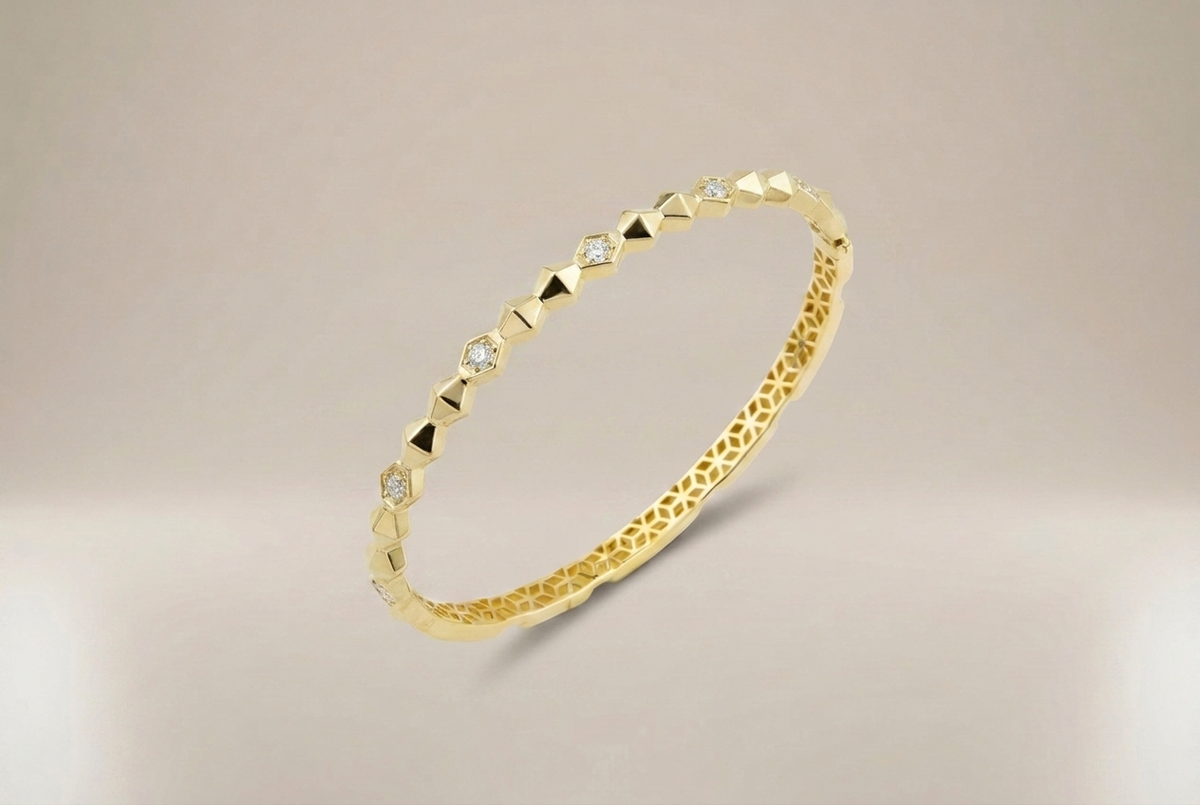
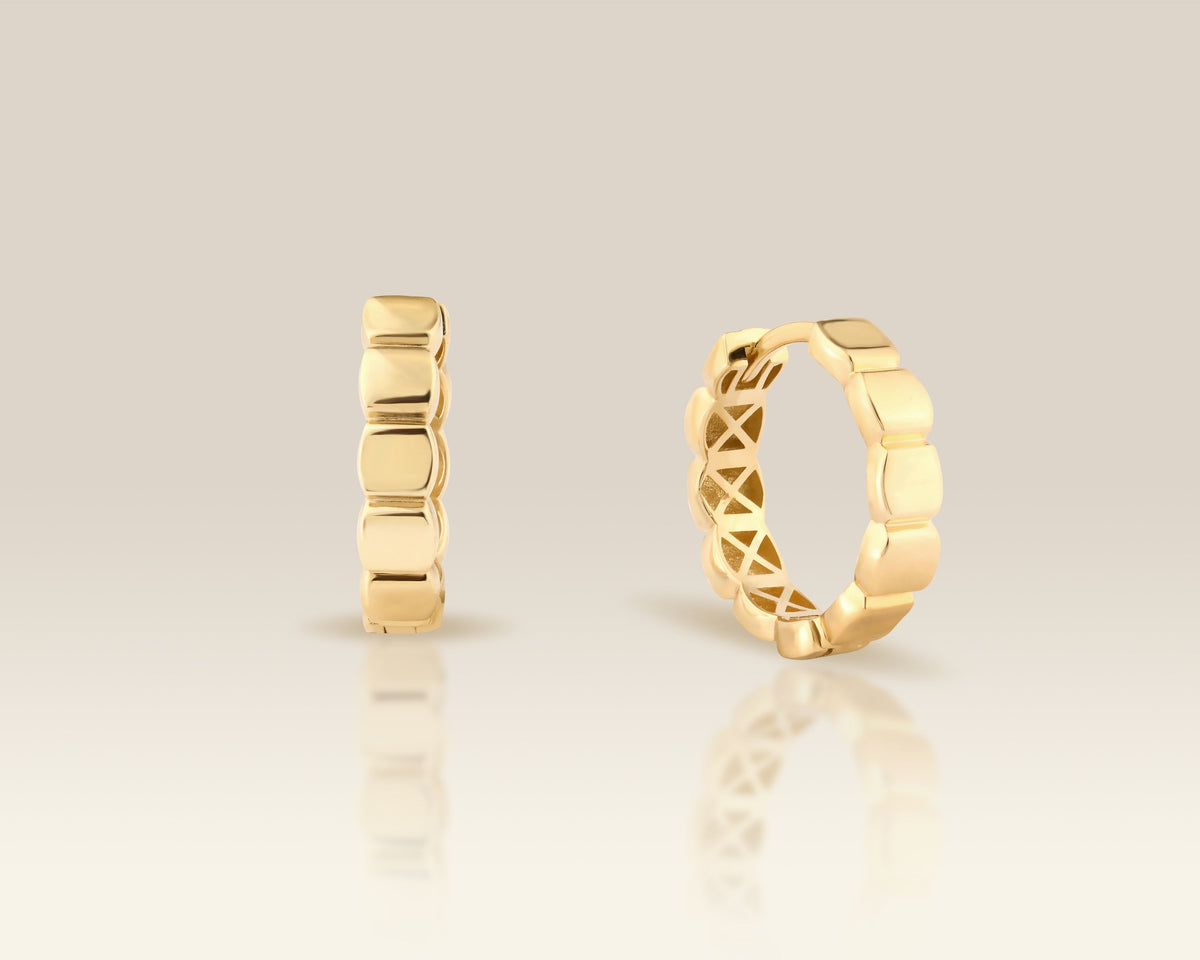
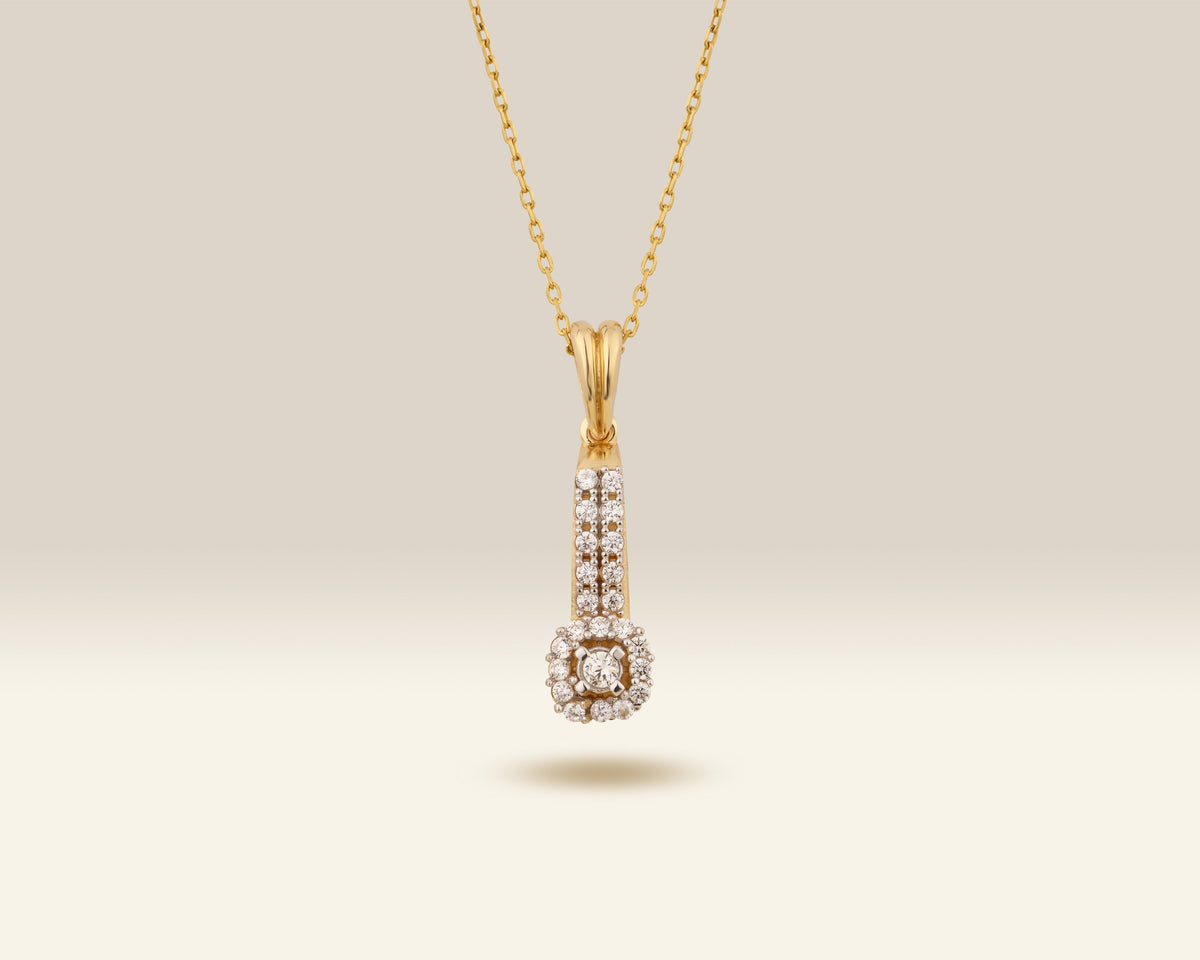
Solid gold makes layering easier than plated pieces — no risk of two different coatings clashing or wearing unevenly against each other. Mix pendant sizes and chain lengths from the Necklaces collection, or stack rings from Stack & Layer Rings the same way Sumerian goldsmiths were doing it 4,500 years ago.