The History of Gold Jewelry: From Ancient Civilizations to Today
Long before it was a purity stamp on the inside of a ring, gold was already the most sought-after material in human history. Its story stretches back nearly 6,500 years — and the reasons people wore it then aren't so different from the reasons we wear it now.
The First Gold Jewelry
The oldest known gold ornaments come from the Varna necropolis in modern-day Bulgaria, dated to around 4600 BCE — roughly a thousand years before Egypt or Mesopotamia began working gold. Ancient Egyptians and Sumerians soon followed, mining and smelting gold by 3000 BCE, and by 2500 BCE, goldsmiths in the city of Ur were already producing gold chains and filigree work using techniques still recognizable today.
Egypt: Gold as the Flesh of the Gods
No civilization shaped gold's meaning more than ancient Egypt. Egyptians believed gold was the literal skin of the sun god Ra — imperishable, eternal, and reserved for royalty and the divine. The gold funerary mask of Tutankhamun remains one of the most famous objects ever made, but everyday Egyptians wore gold too, in amulets, rings, and collars meant to carry the same protective, eternal quality into daily life.
Greece and Rome: Gold as Symbol
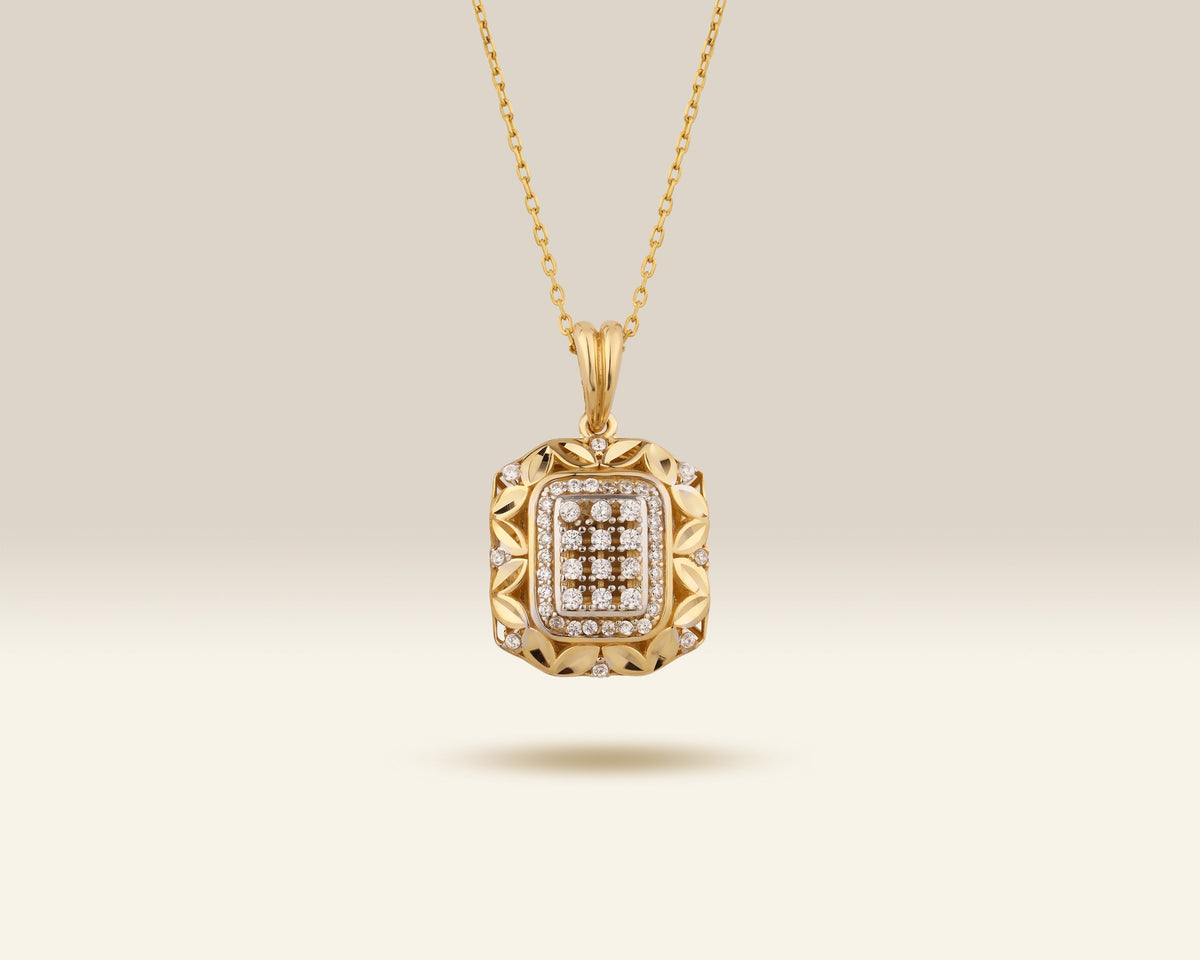
The Greeks refined goldsmithing into an art form — wreaths, laurel motifs, and finely worked pendants carried specific meaning tied to victory, status, and mythology. Rome carried this forward and added its own institution: the gold ring as a mark of citizenship and rank, worn by senators and eventually adopted more broadly as gold became more available.
Byzantium to the Renaissance
Byzantine goldsmiths pushed enamel and religious iconography into jewelry, producing some of the most intricate pieces of the ancient world. By the Renaissance, gold jewelry had shifted from purely symbolic or religious use toward personal adornment and portraiture — pieces designed to be seen, worn, and passed down.
Why It Still Matters
What's striking across 6,000 years of gold jewelry is how consistent the appeal has stayed: it doesn't tarnish, it doesn't fade, and it carries meaning far beyond its material value. That's the same reason we work in solid 10K, 14K, and 18K gold today — not for a trend, but because gold has quietly outlasted every trend that's come before it.
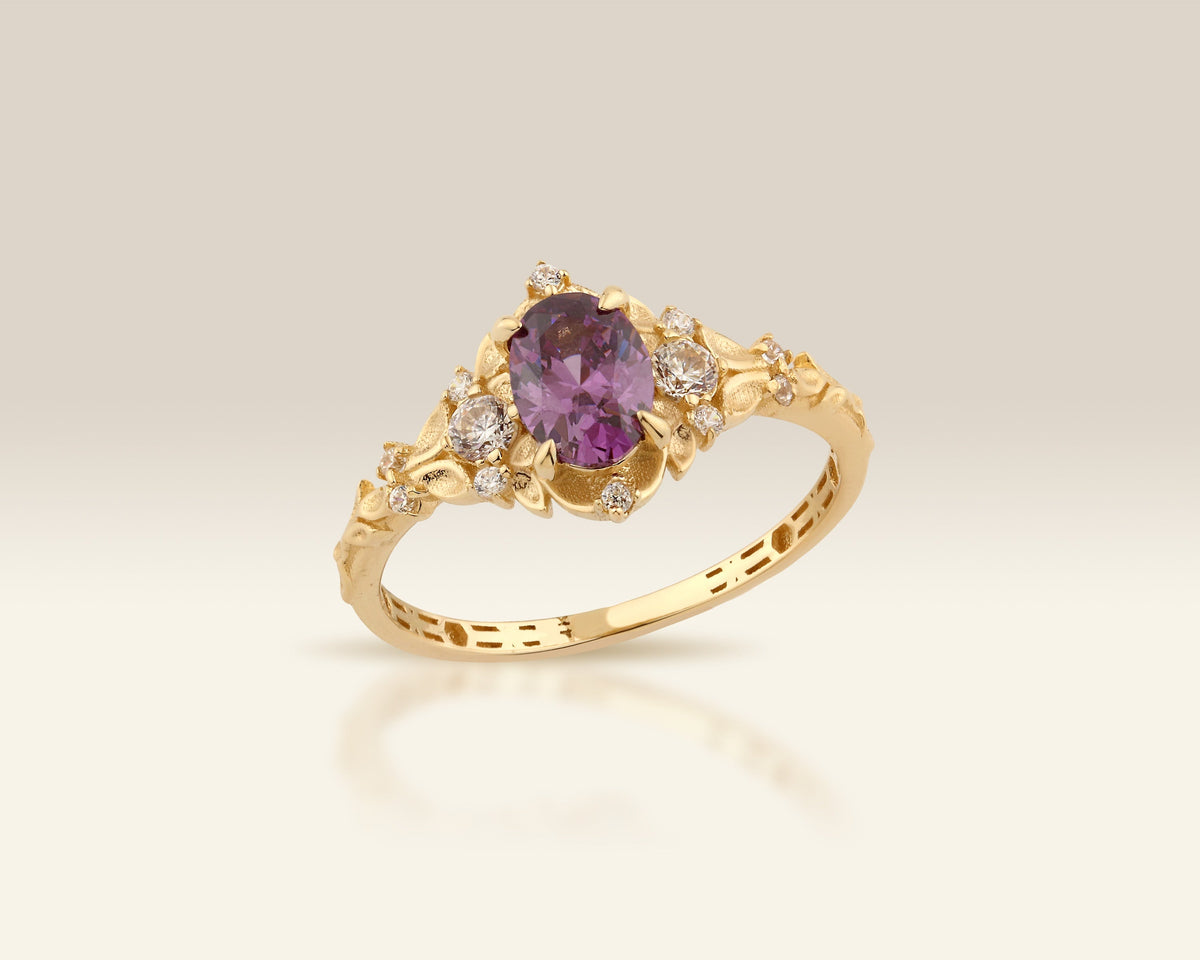
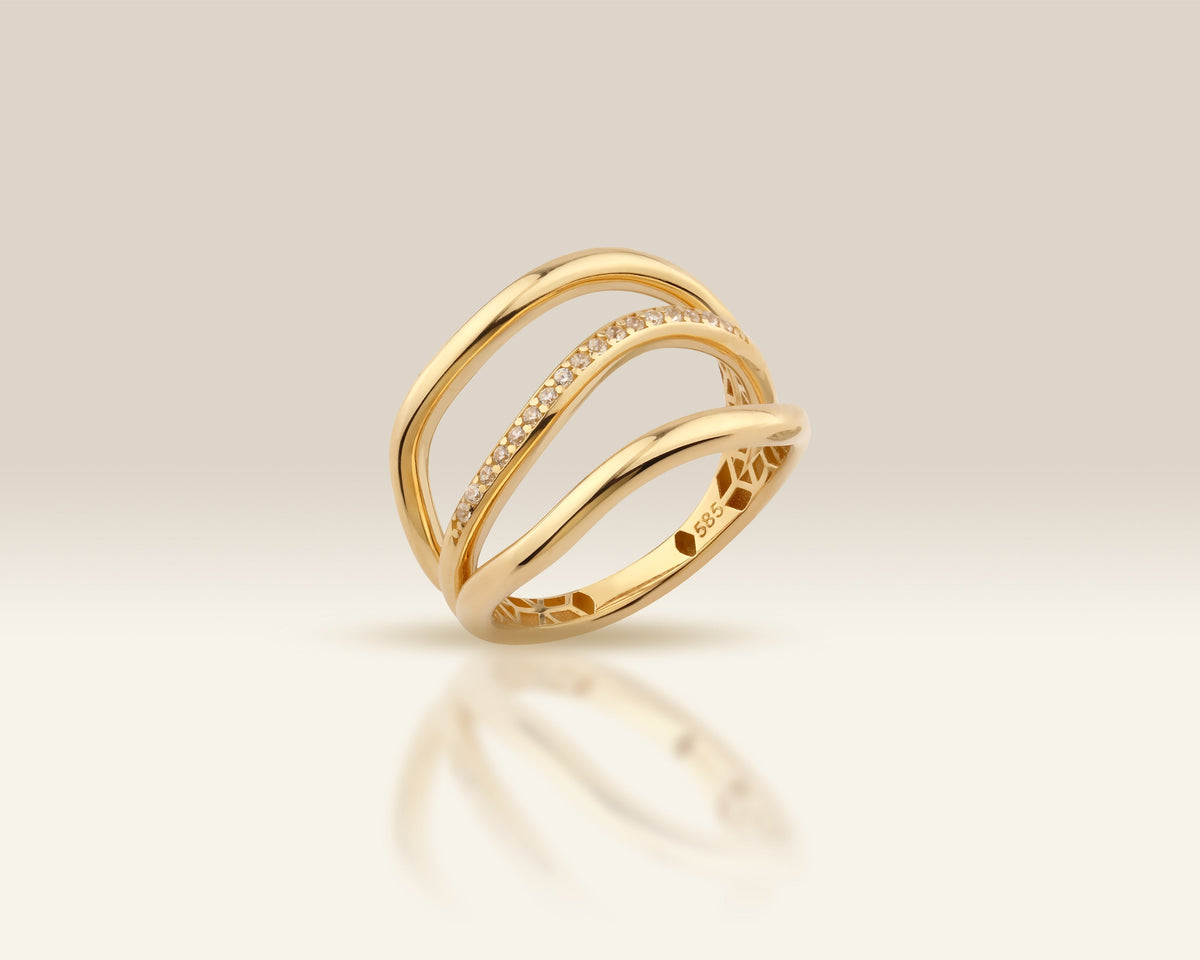
Curious what solid gold actually means for the karat number on your own jewelry? Read our guide to 10K, 14K, and 18K gold, or browse the Rings collection to see the craft in person.