Why Gold Never Tarnishes: The Science and History
Ancient civilizations noticed something about gold long before anyone understood why: buried for centuries, exposed to weather, worn daily for a lifetime — gold came out the other side looking the same as it went in. Here's the actual chemistry behind what they were seeing.
What "Tarnish" Actually Is
Tarnish is a chemical reaction — most metals react with oxygen, moisture, or sulfur in the air and form a dull oxide layer on the surface. Silver tarnishes because it reacts with trace sulfur compounds. Copper and brass oxidize and turn green or brown. It's a slow, ongoing chemical process happening on the surface of the metal.
Why Gold Doesn't Join In
Gold is what chemists call a "noble metal" — it's remarkably unreactive. It doesn't oxidize in air, doesn't react with most acids, and doesn't corrode from moisture the way base metals do. That chemical stability is exactly why gold artifacts pulled from 4,000-year-old tombs still shine, while other buried metals from the same era are usually corroded beyond recognition.
The Catch: Purity Matters
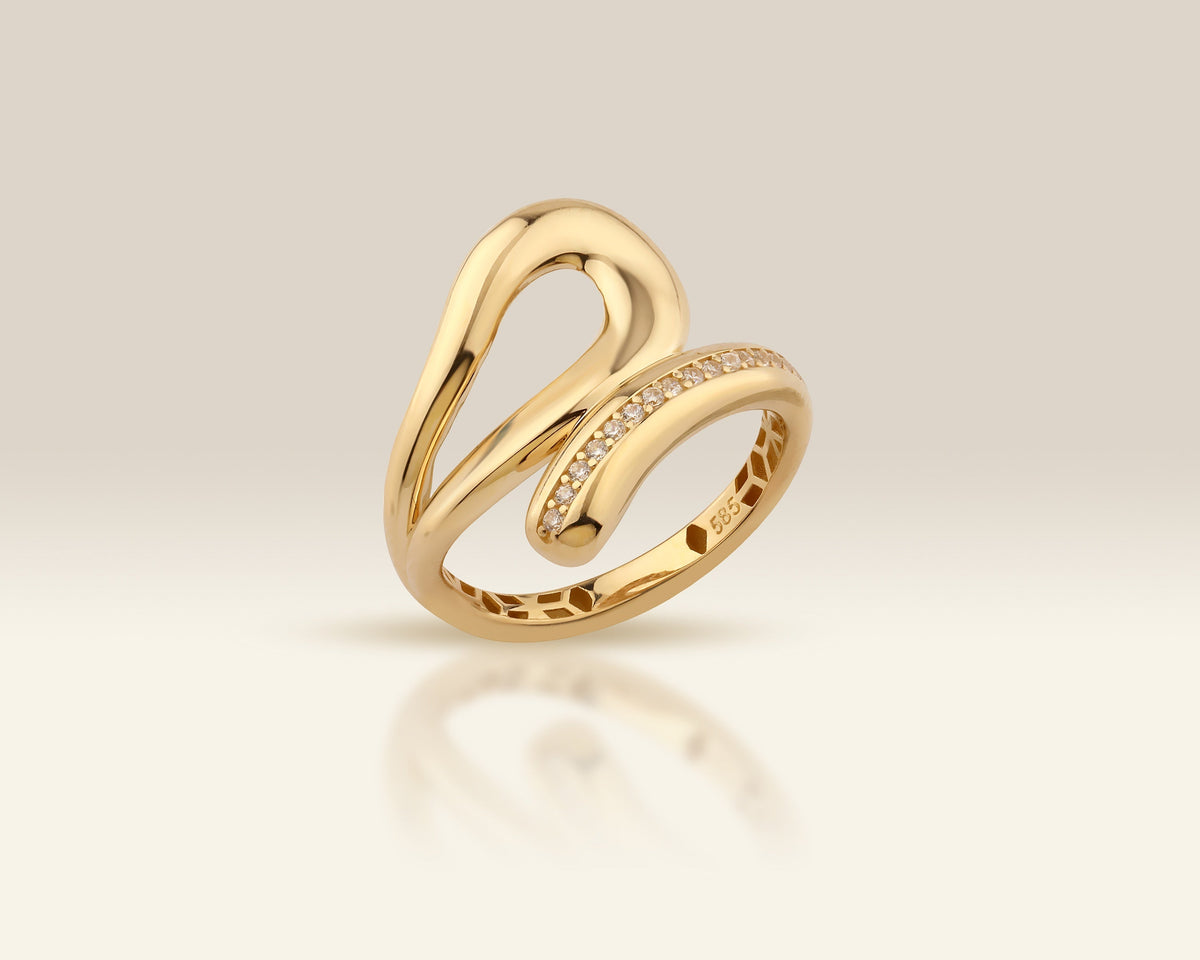
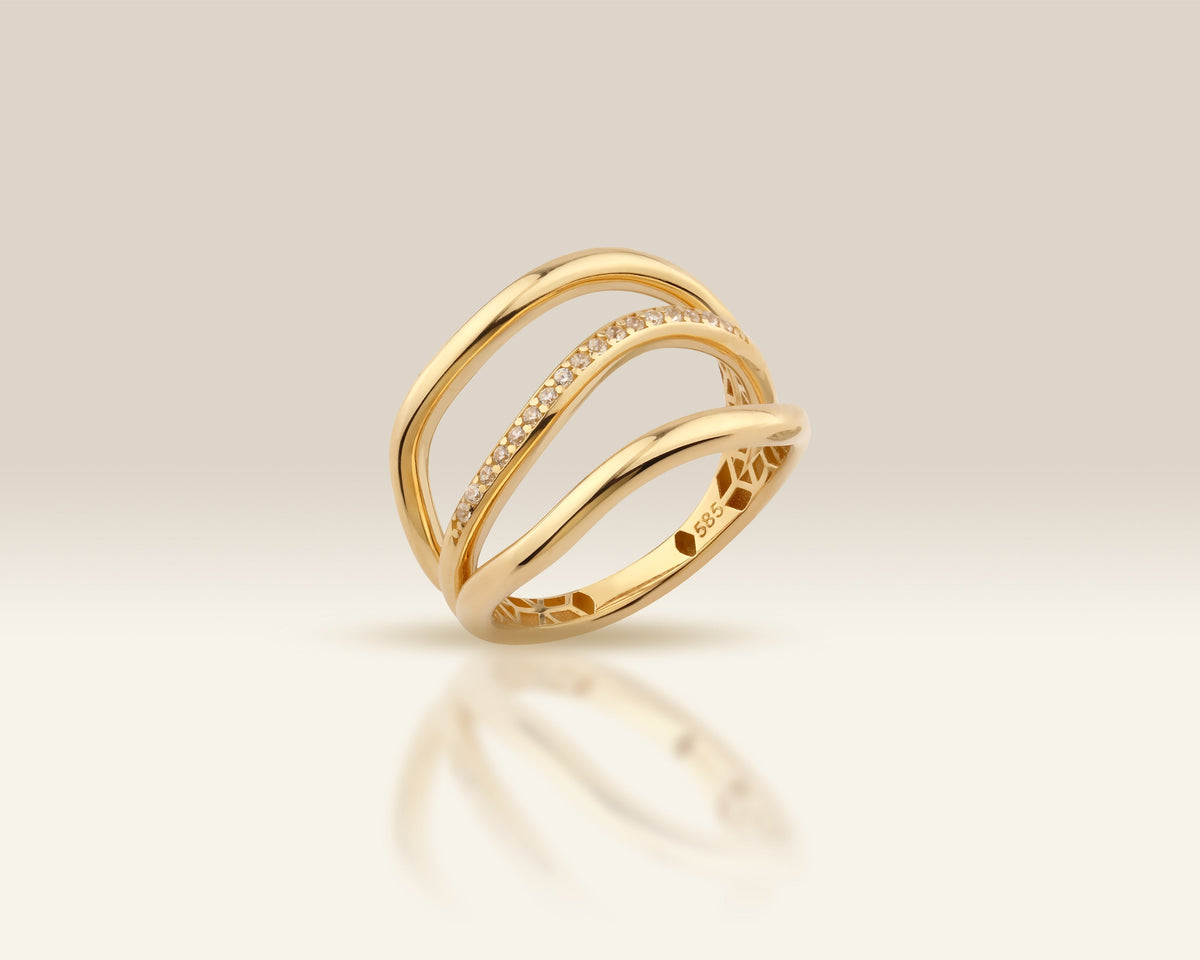
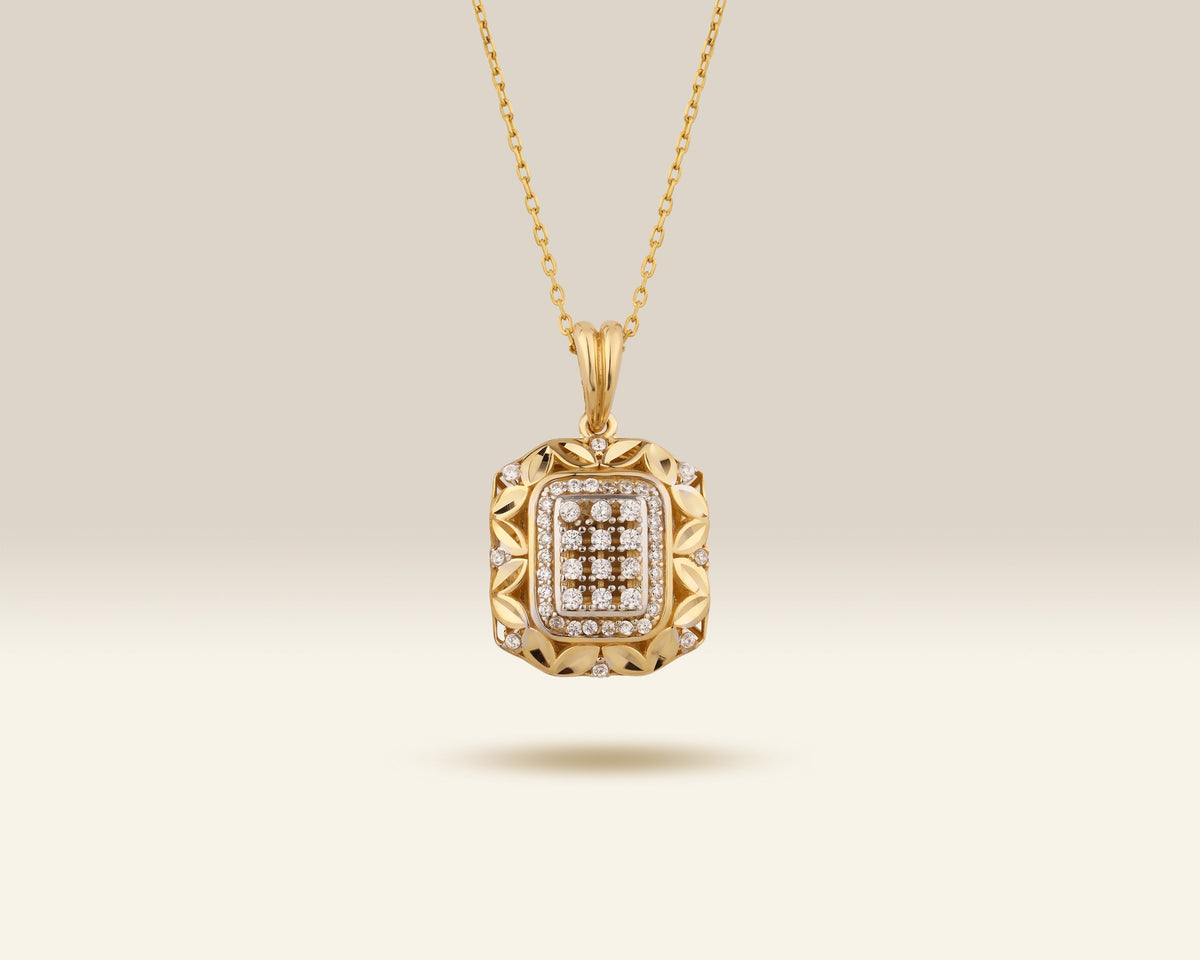
This is where karat comes in. 24K gold is essentially pure and effectively won't tarnish at all — but it's too soft for everyday jewelry. 10K, 14K, and 18K gold are alloyed with other metals (copper, silver, palladium) for durability, and it's technically possible for those alloy metals to react over time in a way pure gold wouldn't. In practice, with proper care, solid gold in any of these karats keeps its shine for a lifetime — it's specifically gold-plated jewelry that tarnishes fast, because the coating is thin enough to wear through to a reactive base metal underneath.
Ancient Observation, Modern Confirmation
Ancient goldsmiths didn't know the chemistry, but they knew the result — which is why gold became the metal of permanence across nearly every ancient culture that worked it. Modern science just explains what they'd already figured out through trial and error.
Want the specifics on keeping that shine intact? Read our solid gold care guide.