Why Engagement Rings Go on the Fourth Finger
It's one of the most common questions in jewelry — and the answer comes from a belief that's over 2,000 years old.
The Vena Amoris
Ancient Romans believed a vein ran directly from the fourth finger of the left hand to the heart. They called it the vena amoris — the "vein of love." Wearing a ring on that finger, they thought, placed it in a direct line to the heart itself, making it the natural place for a symbol of commitment.
We now know anatomically that no finger has a more direct vein to the heart than any other. But the tradition had already taken hold centuries before anatomy caught up, and it stuck for a much simpler reason: it felt right, and no competing tradition displaced it.
Why the Left Hand Specifically
In many Western cultures, the left hand was considered closer to the heart, reinforcing the vena amoris belief. Some cultures — including much of Northern and Eastern Europe — place the ring on the right hand instead, following different historical and religious traditions. There's no universal rule; it's regional custom layered on top of a 2,000-year-old myth.
Does It Still Matter Today?
Practically, no — a ring means exactly what you and the person wearing it decide it means, on whichever hand feels right. But the tradition persists because it's a nice one: a small, physical reminder that this particular ring is different from the rest of the stack.
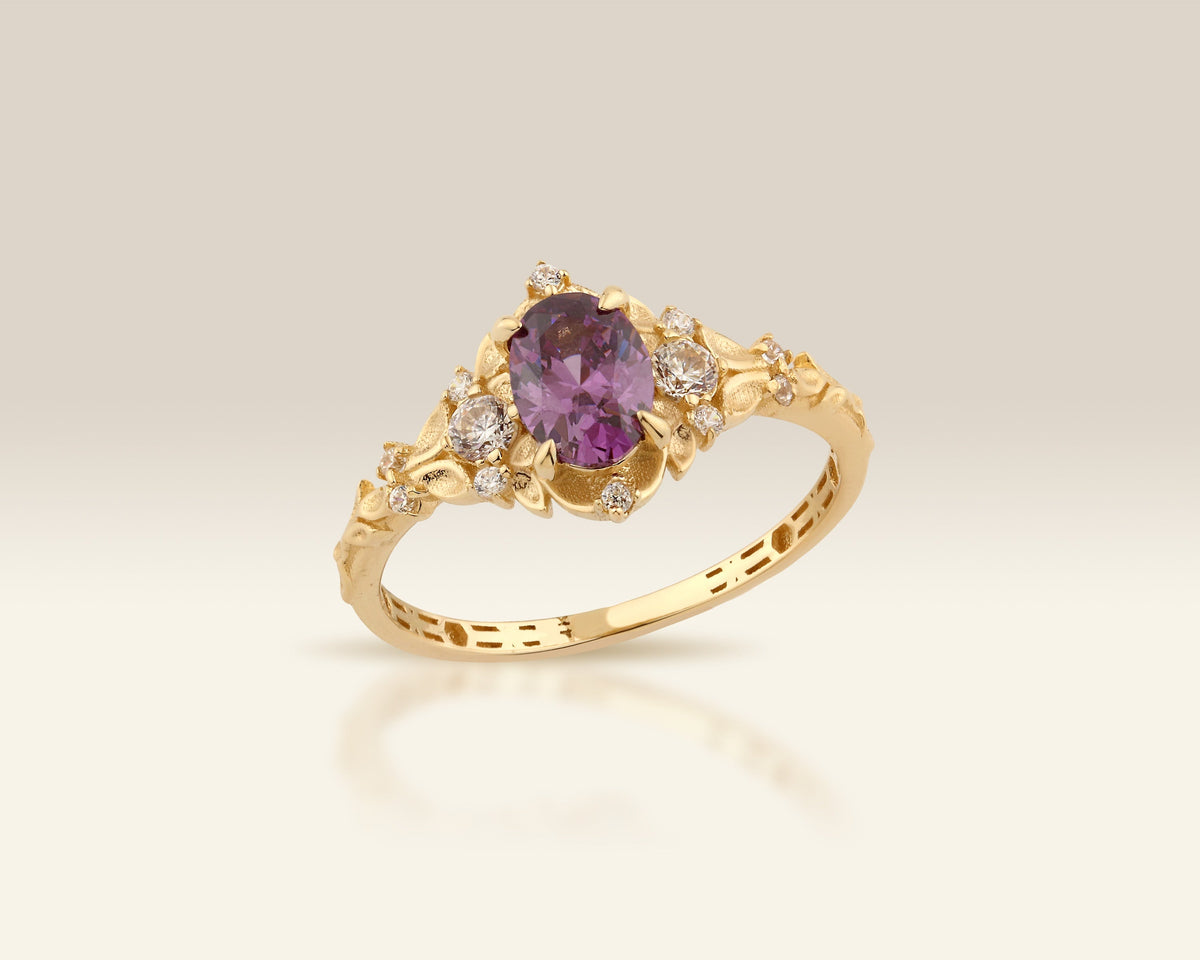
Looking for a piece that's built to be that one? Our Bridal collection is designed for exactly that moment, and our ring size guide makes sure it fits from day one.